For more than three decades, Ghanaian motorists had a safety instruction in the country’s Highway Code: wear a seatbelt on every journey, however short. Yet turning that instruction into an enforceable legal requirement proved to be a painfully long process.
For former road safety official Justice Amegashie, the delay raises an uncomfortable question about how much value the country places on human life.
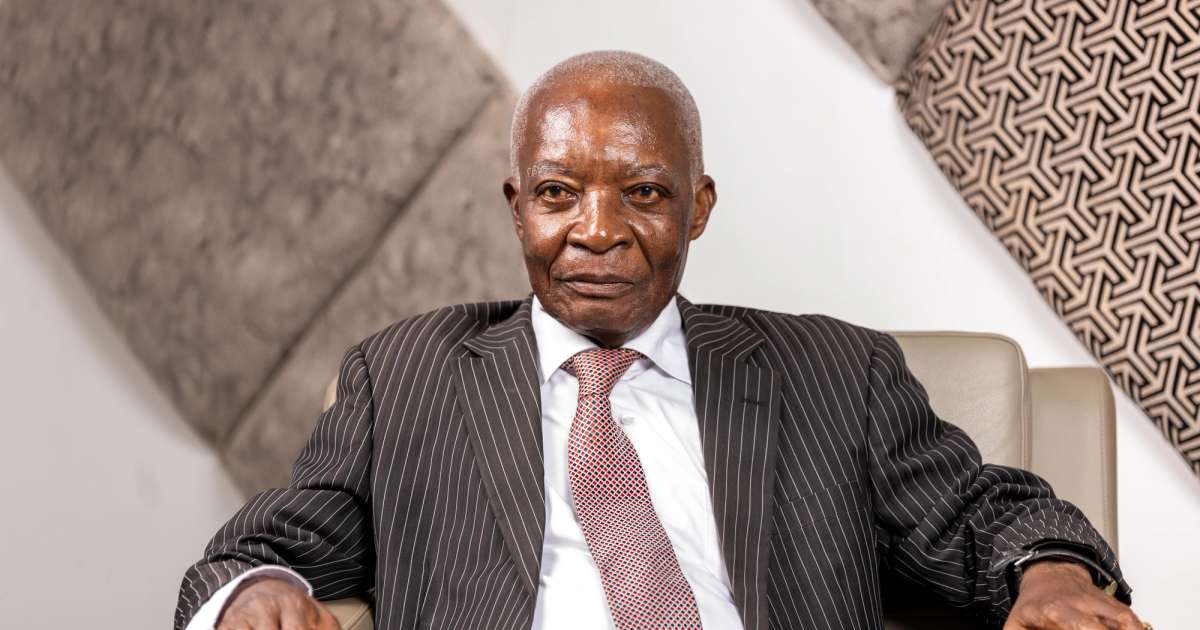
In an interview with Kafui Dey, he revealed that he began pushing for mandatory seatbelt use after attending a road safety training programme in Sweden in 1993. What followed was a series of appeals, memoranda and public education efforts before the requirement eventually found its way into Ghana’s road traffic regulations.
His account offers a glimpse into the long journey behind a safety measure that many motorists today may take for granted.
“When you look at the Ghana Highway Code, that is 1974, it provides that you should have a seatbelt and you should wear it on every journey, however short. But it took us more than 30 years before we were able to enact regulation on wearing seatbelt,” he said.
The delay, he believes, was difficult to justify.
A campaign that began in Sweden
Amegashie traced his personal involvement in the push for mandatory seatbelt use to a two-week road safety training programme he attended in Sweden in 1993.
There, he said, participants were introduced to the country’s approach to road safety, including the importance of wearing seatbelts.
He returned to Ghana convinced that the country needed to make seatbelt installation and use a priority.
“I told my colleagues that we need to champion the wearing of seatbelt, installation of seatbelt and wear of seatbelt,” he recalled.
But not everyone around him shared his enthusiasm. One colleague questioned the proposal, arguing that some vehicles did not even have seatbelts.
Mr. Amegashie said he chose to press ahead.
In 1994, he submitted a memorandum to the then Minister of Transport, proposing legislation to make the installation and use of seatbelts mandatory.
The minister agreed with the idea and forwarded it to Cabinet. However, rather than immediately introducing the regulation, Cabinet recommended further public education to help motorists understand why seatbelts were necessary.
Mr.Amegashie said he undertook the education exercise and returned with another memorandum in 1997, reiterating the need for a legal requirement.
Eventually, the provision was incorporated into the Road Traffic Act, 2004 (Act 683).
The human cost of the delay
Beyond the legislative history, Amegashie believes the delay should be considered in the context of lives that could have been protected.
During the interview, he recalled the death of a female parliamentarian who was involved in a road crash while travelling to the Central Region during the early years of the Fourth Republic.
He said it was reported that she was not wearing a seatbelt.
The incident, he suggested, demonstrated how a road crash can have consequences far beyond the immediate loss of life.
He drew attention to the emotional and financial cost to the deceased’s family, as well as the political and institutional disruption that followed her death, including the expense of organising another parliamentary election.
His point was clear: the consequences of road crashes extend well beyond the people directly involved.
Amegashie also explained why seatbelts matter, particularly when vehicles are travelling at speed.
“When a vehicle is running at 60 kilometres per hour, you must know that you are also moving at 60 kilometres per hour,” he said.
In the event of a collision, an unrestrained passenger continues moving forward, potentially striking other occupants.
“Once you’re not in a seatbelt, your body will move and then you hit other people. Other people will hit other people,” he explained.
He believes this is one reason occupants who fail to wear seatbelts are exposed to serious injuries or death during crashes.
Are we taking human life seriously?
For Mr. Amegashie, the seatbelt story is part of a much bigger concern about attitudes towards road safety in Ghana.
He argued that some motorists and other road users continue to engage in behaviour that puts lives at risk, even when the dangers are well known.
He cited the practice of carrying more passengers on motorcycles than they are designed to accommodate, including adults travelling with children squeezed between riders.
He also criticised pedestrians who cross roads while distracted by their mobile phones and motorists who fail to take basic precautions before setting off.
Even routine vehicle checks, he suggested, should go beyond inspecting a driver’s licence. He questioned why officers who stop vehicles do not always check for essential safety equipment such as warning triangles.
For him, these seemingly small acts of negligence point to a deeper problem: a failure to treat road safety as a shared responsibility.
“I personally think that if, let’s say, you are involved in a crash, you go to God. People don’t value that any least mistake you make can lead to death,” he said.
He believes that changing this attitude requires more than legislation. It calls for consistent public education, responsible driving and enforcement that goes beyond routine checks.
A law is not enough
Ghana’s eventual adoption of mandatory seatbelt regulations was an important step, but Mr.Amegashie’s reflections suggest that passing a law is only part of the work.
The real test is whether motorists comply, whether passengers are protected and whether authorities consistently enforce the rules.