

General
FIVE-YEAR SEPARATION: Dorothy Amuah Says Green Card Setback Kept Her From Her Children
For five years, motherhood for Dorothy Amuah happened largely through a phone screen.
By Roberta Gayode Modin·
General
For five years, motherhood for Dorothy Amuah happened largely through a phone screen.
For five years, motherhood for Dorothy Amuah happened largely through a phone screen.
She helped with homework over FaceTime, guided her daughters through university applications and even taught them how to prepare meals remotely. Important milestones passed without her physical presence, including one daughter’s high school graduation and the other’s university journey.
For a mother who describes herself as hands-on and deeply involved in her children’s lives, the separation was devastating.
The Ghanaian entrepreneur and breast cancer survivor says she was stranded in Ghana after the COVID-19 lockdown disrupted her travel plans and her American green card expired while she was unable to return to the United States.
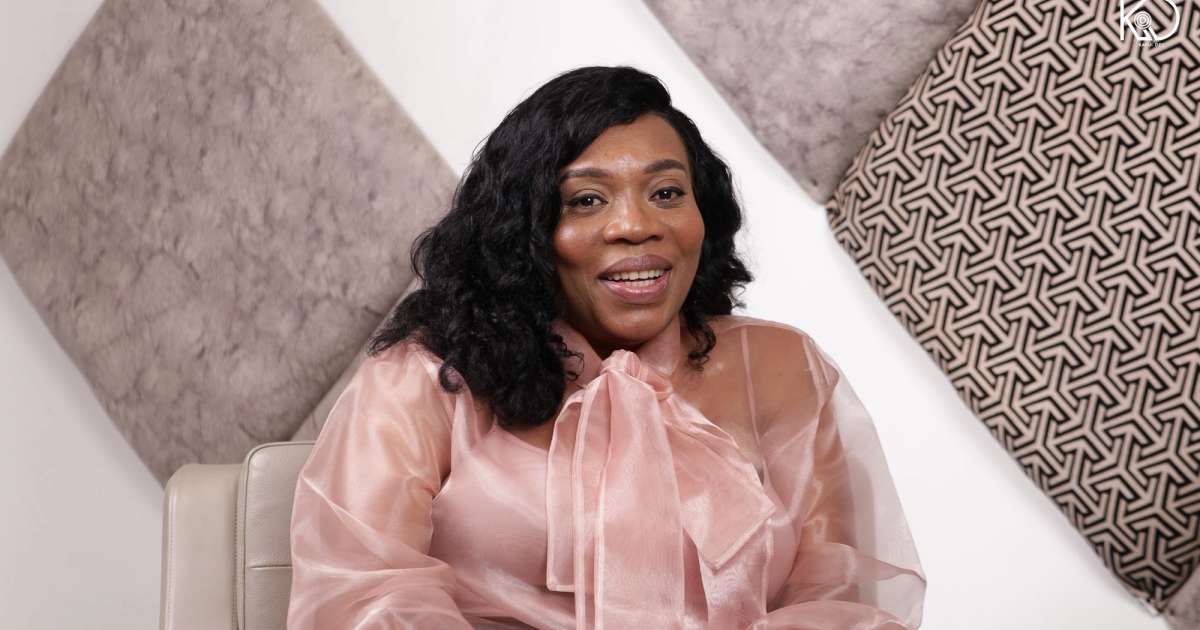
In an emotional account during an interview with broadcaster Kafui Dey, Amuah revealed that her attempts to secure a returning resident visa were rejected three times, leaving her separated from her daughters for five years.
She described the experience as more difficult than surviving breast cancer.
“I think the most difficult period in my life was a few years ago,” she said.
A journey interrupted by COVID-19
Madam Amuah explained that she had held a United States green card for more than 25 years and had qualified to apply for American citizenship two years after receiving it.
However, because she spent considerable time working in Ghana, she had postponed completing the citizenship process.
She had maintained strong ties to the United States, including businesses, homes, tax obligations and social security benefits. She also regularly travelled between Ghana and the US.
In October 2019, she returned to Ghana from one of her trips, expecting to continue travelling as she had done for years.
But the COVID-19 pandemic changed those plans.
When travel restrictions and lockdowns took effect in 2020, she realised her green card was due to expire in April that year.
Concerned about her situation, she contacted the US Embassy in Ghana for guidance. According to her, she was advised to apply for a returning resident visa once international borders reopened, after which she could return to the United States and renew her green card or pursue citizenship.
At the time, she believed the matter would be resolved once travel resumed.
She also contracted COVID-19 several times during the period, describing the illness as particularly difficult.
But after the borders reopened, another challenge awaited her.
Three applications, three rejections
Amuah said she applied for a returning resident visa, presenting documents intended to demonstrate her established life and connections in the United States.
These included photographs of her family, tax returns covering the previous 10 years, mortgage documents and evidence of her other ties to the country.
However, she said her application was rejected after an interview that lasted less than seven minutes.
“I had all my documents. They wanted me to take pictures of my family, all my links to the US, my tax returns for the last 10 years. I took everything, and my mortgage documents, everything,” she recounted.
She said the decision left her stunned, particularly because she had recently put one of her daughters, Sophia, back on a flight to the United States to continue the final years of high school and prepare for university.
At 15, Sophia still needed her mother’s presence and support.
Amuah said she tried again after being advised to reapply, but the second application was also rejected.
She eventually made three attempts, all unsuccessful.
“I applied three times. They kept on declining me,” she said.
The situation left her with a difficult question: how would she continue caring for her children from thousands of miles away?
Motherhood through FaceTime
With no immediate solution, Amuah said one of her daughters had to stay with a friend in the United States. She described the arrangement as far from ideal but said she had little choice.
She also had to make changes to her daughter’s schooling arrangements.
For the next five years, technology became her primary means of remaining involved in her children’s daily lives.
She helped them with homework, guided them through college applications and answered everyday questions that many parents would ordinarily handle in person.
Sometimes, the conversations were as simple as a request for cooking instructions.
“Mommy, teach me how to make macaroni and cheese. Mommy, teach me how to make chicken stew,” she recalled.
She said she essentially nurtured her children through FaceTime.
“Thank God for FaceTime because I basically nurtured my kids from FaceTime for five years. That’s how long it took me. Five years.”
The separation was particularly painful because she considered herself a very hands-on mother.
“I don’t play with my kids. I’m hands-on with my kids. And all of a sudden, I’m stuck here. I can’t travel,” she told Kafui Dey.
She said the experience was largely invisible to people who saw her going about her business and assumed everything was fine.
“People don’t know what you go through. They just look at you and think, ‘Oh, you know, she’s living life. This is good.’ I went through the worst period in my life,” she said.
Missing milestones and finding a way back
The separation continued until late 2024, when the consequences of those lost years became particularly painful.
Amuah said she missed Sophia’s entire high school experience and was not physically present when she graduated.
Her other daughter, Natalie, was graduating from university. Amuah recalled dropping her off at university four years earlier, only to miss much of that important period in her life.
By then, she had exhausted the options she knew.
She said she had stopped applying after the three rejections and had also sought help from lawyers and officials at Ghana’s Ministry of Foreign Affairs.
However, she was told of other people who had remained in similar situations for many years, leaving her increasingly discouraged.
“It was tough, Kafui. So, to me, that was tougher than breast cancer,” she said.
Eventually, in late 2024, she took what she described as a drastic step, forcing her way into someone’s office in an effort to get assistance.
She said the intervention opened some doors and she was advised to apply for an ordinary visitor visa, return to the United States and continue fighting her case from there.
That was how she eventually managed to travel back.
But the matter was not fully resolved.
When asked about the state of the situation, she responded: “We’re fighting.”
More Stories

