What if senior public servants were paid well enough to afford their own cars and homes instead of relying on government vehicles and official accommodation?
Former Head of Ghana’s Civil Service, Dr Alex Glover, believes Ghana could learn from Singapore, where civil servants are not provided with official cars or government bungalows as part of their conditions of service.
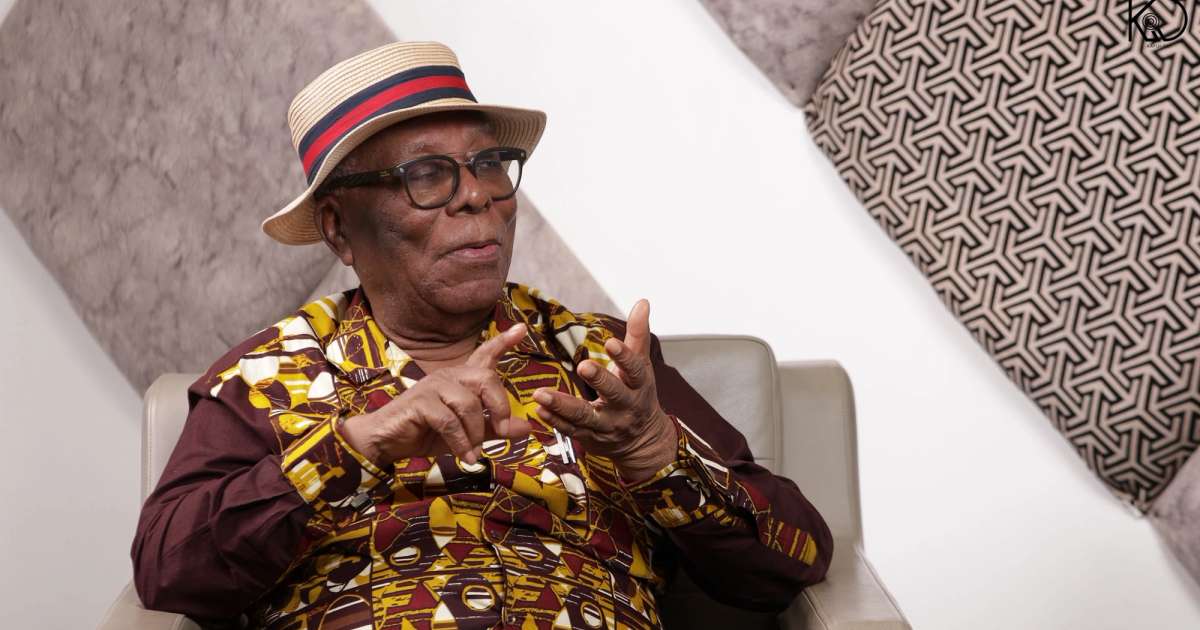
In an interview with broadcaster Kafui Dey, Dr Glover described a system in which public servants receive salaries expected to cover their personal expenses, including transport, accommodation and utility bills.
“In Singapore, your salary would take care of everything. So no official car business,” he said.
He explained that public servants are expected to use their own resources to meet their transportation needs, rather than depend on official vehicles that may remain with them even after retirement.
“You don’t retire and then here in Ghana that the person is going with his official car. No, it is the car that you bought that you buy your own car,” he said.
Dr Glover added that there were no clothing or telephone allowances, and that expenses such as water and electricity bills were not separately paid for by the government.
He also questioned the practice of providing public servants with government bungalows in high-value residential areas such as Cantonments, Labone and Ridge.
Rather than assigning officials houses, he suggested that government could provide an accommodation allowance and allow them to decide where they want to live.
“So why don’t you give them, if it will cost them $1,500 a month to get their accommodation in Labone, give them that money and leave them to decide where they want to live,” he proposed.
For him, the arrangement should be straightforward: government pays an adequate salary, while public servants take responsibility for their personal choices and expenses.
Dr Glover said Singapore’s approach treats civil servants much like employees in the private sector, who are paid salaries and expected to manage their own living costs.
He described the model as one Ghana could learn from, arguing that the country had considered some of these reforms but had not fully implemented them.
“We have tried and we are too shy of implementing some of these decisions, but it is not that we haven’t thought of them,” he said.