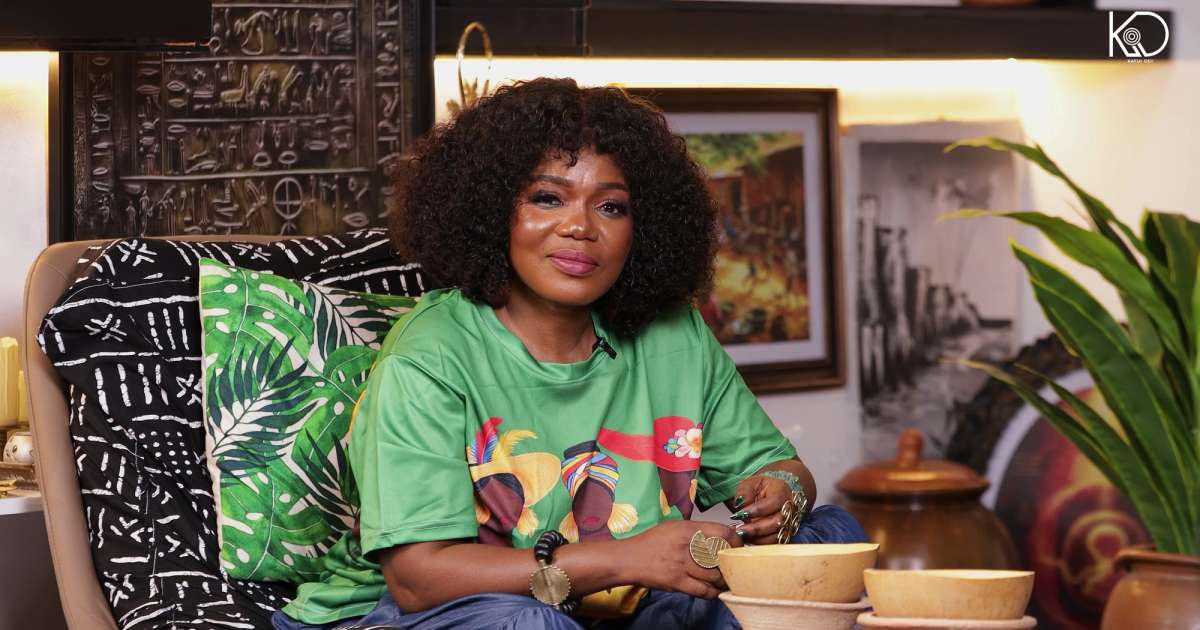
Ghanaian musician and media personality Belinda Nana Ekua Amoah, popularly known as Mzbel, has opened up about a traumatic attack she suffered, saying she and others were raped but were subsequently blamed in media reports for what happened to them.
Speaking in an interview with Kafui Dey, Mzbel recalled how the circumstances surrounding the attack became the focus of public discussion, rather than the crime committed against them.
According to her, reports at the time suggested that the clothes she wore while rehearsing in her home contributed to the attack.
“We were raped. Not just me,” Mzbel said, stressing the seriousness of what happened.
She questioned how her choice of clothing could ever be considered justification for an assault.
“If I’m rehearsing in my house, even naked, is it licence for somebody to come and attack me and put me through what happened?” she asked.
Mzbel said the media narrative at the time was particularly painful because it portrayed her as responsible for attracting armed robbers to her home.
“The media reported this as it’s my fault because the things I wear to rehearse attracted armed robbers to my house,” she recalled.
The musician said the incident reflected what she described as a recurring pattern in the way the media and sections of the public treated her during the height of her fame.
“Everything is my fault,” she said, explaining that even when she was simply going about her life, incidents involving her were often linked to her appearance or lifestyle.
Mzbel recalled that people discussed how she and her colleagues dressed during rehearsals, including wearing shorts in a compound with a low wall.
But for her, none of that could justify what happened.
Her question remains fundamental: how can a person’s clothing ever give another person the right to attack them?
Mzbel also reflected on how being constantly in the public eye affected the way people responded to her experiences.
“I was in everybody’s faces. I was talked about every way,” she said, suggesting that her celebrity status meant that almost every aspect of her life became material for public discussion.
She said some people who encountered her in person had already formed opinions about her based on what they had heard or seen in the media.
According to Mzbel, the public narrative became so powerful that it overshadowed sympathy for what she had endured.
“Some people came to my aid, but then the noise out there was against me,” she said.
Looking back, Mzbel questioned society’s persistent focus on what women wear when discussing sexual violence and attacks.
“What’s this obsession with clothing?” she asked.
For Mzbel, the clothes she wore while rehearsing at home should never have been presented as an explanation for an attack.
The attack happened to her. But, as she recounts it, she was made to feel as though she had caused it.