For years, Moh Awudu gave everything he had to help build one of Ghana’s biggest street art festivals.
He walked from Nima to Jamestown, sourced paint when there was none, worked without pay and spent a decade turning empty walls into canvases that would eventually draw thousands of visitors from around the world.
As the festival grew, so did his reputation.
He thought the recognition belonged to everyone who had sacrificed to build it.
Instead, it made him a target.
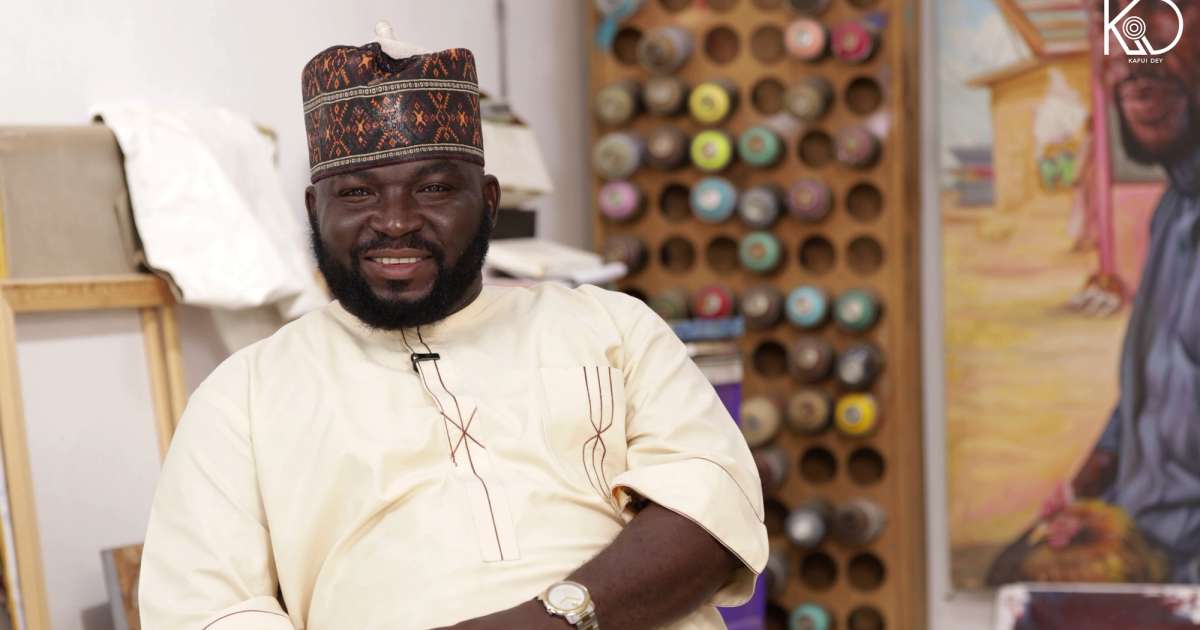
“Somebody told me, ‘You shine too much,’” Awudu recalled during an interview with Kafui Dey.
The comment caught him completely off guard.
“What’s wrong with that?” Kafui Dey asked. “I got confused”, he retorted
Awudu insists he never chased the spotlight. What people saw, he says, was simply the result of the effort he poured into every project.
“I put a lot of energy into the space,” he explained. “People get connected to the energy.”
His passion made him a familiar face in Jamestown, where residents still invite him back for community festivals.
“Even now, people in Jamestown call me, ‘Moh, can you come? We are doing a festival.’”
But while the community appreciated his work, not everyone within the creative space celebrated his growing influence.
As more people joined the festival after it became successful, Awudu noticed attitudes changing. Encouragement gave way to envy.
“I started to see a lot of hate,” he said.
The criticism became increasingly personal. One day someone questioned why he kept returning to contribute.
“He is still coming here,” the person remarked. The comments escalated until another warning reached him.
“Next time I’ll make sure you stop doing that”.
By then, Awudu understood what was happening.
“I already know the hate,” he said quietly.
Looking back, he believes some of the tensions stemmed from individuals whose actions eventually created divisions within the festival itself. In his view, the spirit that once defined the event gradually faded.
“For those who don’t know, Chale Wote is a street festival,” he said. “Right now, I don’t think it has the value it had before.”
Despite everything, he harbours little bitterness. Instead, he sees his journey as proof that growth sometimes requires leaving behind spaces that no longer fit.
“I feel like now I can’t be wearing that dress again,” he said, using a metaphor to describe his relationship with the festival. “You can’t be wearing a dress that you wore 10 years ago. It’s too small for me.”
Rather than fight for a place where he no longer felt he belonged, Awudu chose to channel his energy into a new vision: reimagining Nima through art.
The criticism never stopped him from creating.If anything, it confirmed that he was moving forward.
For Moh Awudu, being told he “shines too much” was never an insult. It became evidence that his light had become impossible to ignore.