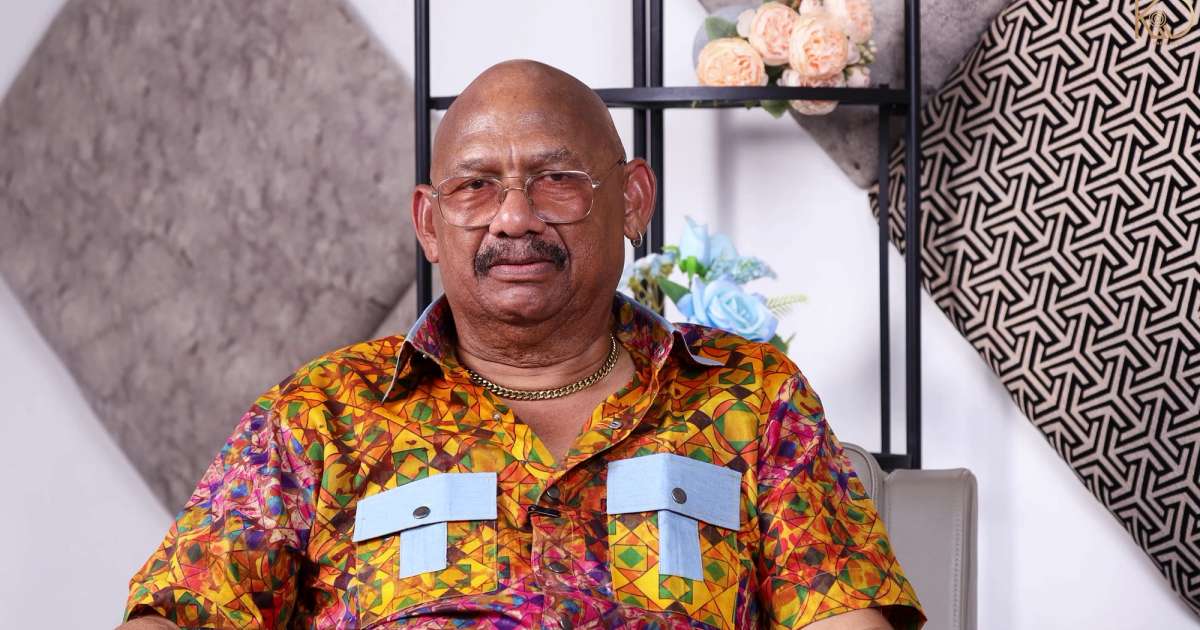
Veteran Ghanaian highlife musician Ben Brako has attributed Nigeria’s rise as a global music powerhouse to deliberate investment and strategic focus, saying Ghana can achieve similar success if it commits to developing its creative industry.
Speaking in an interview with Kafui Dey, Brako said Nigeria transformed its international image by investing in its music industry, contrasting it with what he described as Ghana’s failure to build strong systems to support the arts.
“You remember when Nigeria was known as the 419 country? Now what are they known as? Afrobeats.”
He added that the country’s success did not happen by chance.
“What was the difference? Investment and focus”, he said
Brako argued that governments must see the creative sector as an economic asset and provide the policies and incentives needed for it to thrive.
“There needs to be a will. There needs to be a vision from the government.”
According to him, Ghana has abundant artistic talent but has failed to nurture it through sustained investment.
“We have great painters, we have great artistes, we have great singers. We have a whole stream of talent that is there, but we’re not nurturing them. We’re not using them in the right way. We’re not even encouraging them.”
The veteran musician said countries that have built successful creative industries did so by investing in artists and the institutions that support them.
“Governments even help other businesses to set up and invest in the arts because they know the value they can get out of it.”
Brako also credited Nigeria’s international breakthrough to its willingness to work with experienced professionals in the global music business.
“That’s how Nigeria made the breakthrough. They were able to hire the top people.”
He contrasted that approach with Ghana’s, which he believes has not kept pace with the demands of the global music industry.
“We’re still playing with mice.”
Brako maintained that without stronger institutions and sustained investment, Ghana risks missing the economic opportunities presented by its music and broader creative sector.