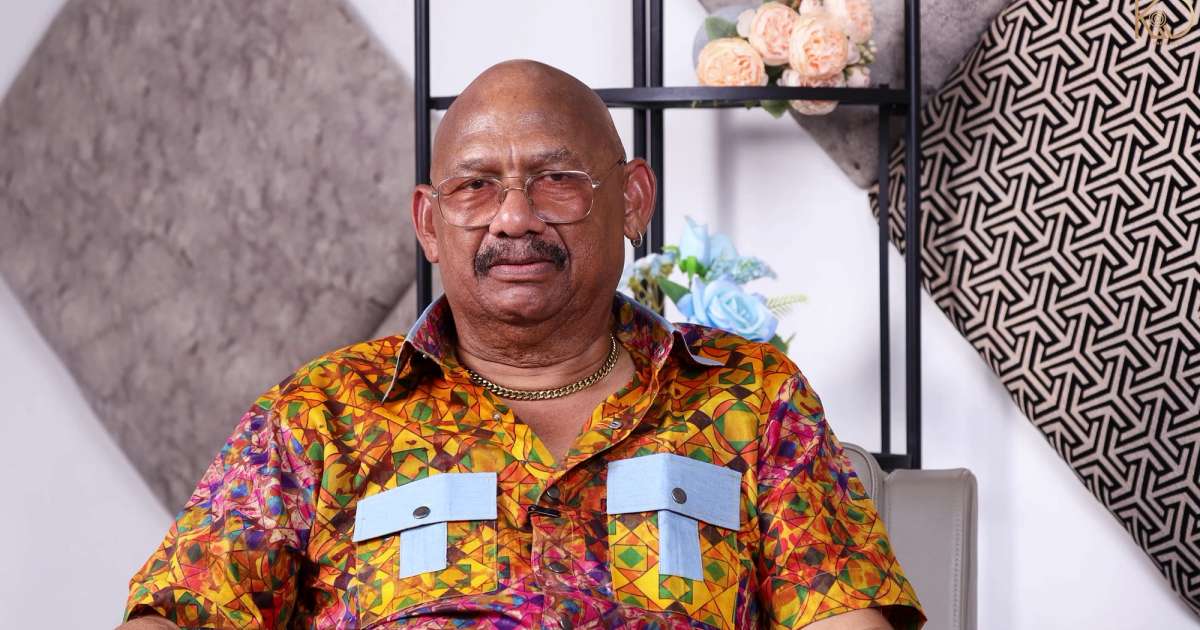
Veteran Ghanaian highlife musician Ben Brako says Ghana’s royalty system has failed to properly compensate musicians, revealing that the only significant payments he received locally came from a government levy on imported recording materials rather than the use of his music.
Speaking in an interview with Kafui Dey, Brako said musicians in Ghana have struggled to earn royalties from actual music consumption, including radio airplay, television broadcasts and commercial use of their works.
“The only time I got paid a bit of money was because the government voted, put a certain surcharge on cassettes and recording materials imports. And then gave some of that money to the musicians so that it would be paid as royalties.”
He explained that the payments were not linked to how often his songs were played or how many copies were sold.
“It wasn’t based on sales or the number of replays or anything.”
Brako said the situation reflects deeper problems within Ghana’s creative industry, where musicians often struggle to receive financial benefits from their own creations.
He contrasted Ghana’s system with other markets where artists are compensated based on measurable usage of their works.
The highlife musician also revealed that his experience was different in the United Kingdom, where his music was registered and generated royalties.
“My music was registered in the UK. Yeah, I got paid a lot when it was fresher.”
However, he said the global music business has changed significantly, especially with the rise of streaming platforms.
Brako has previously criticised the streaming model, describing it as unfair to musicians and arguing that artists receive only a small fraction of the revenue generated from their music.
He believes Ghana must strengthen its copyright and royalty systems if musicians are to benefit financially from the industry they help build.