Politics
Nkrumah Was a Fantastic Guy, But He Should Have Embraced Tradition More — Ben Brako
He was a fantastic guy, even though I think he could have embraced the traditional culture far better than he did
By Roberta Gayode Modin·
Politics
He was a fantastic guy, even though I think he could have embraced the traditional culture far better than he did
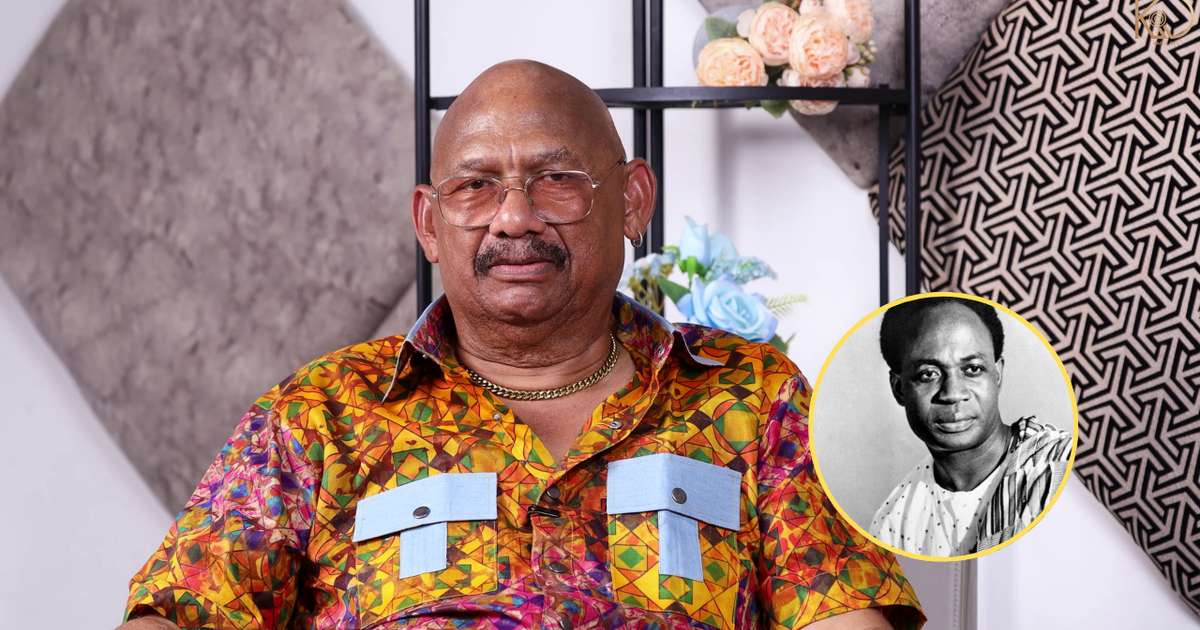
Veteran musician Ben Brako has described Ghana’s first President, Kwame Nkrumah, as “a fantastic guy” but believes the country’s founding leader could have done more to embrace Ghana’s traditional cultures.
Speaking on Kafui Dey’s interview programme, Brako reflected on the 1966 coup that overthrew Nkrumah, saying he struggled to understand the political upheaval at the time.
“I thought it was bizarre,” he recalled. “I couldn’t understand what was going on.”
Brako said the period that followed was marked by conflicting narratives aimed at discrediting the former president.
“There were so many conflicting stories about who Nkrumah was. Was he a thief? Was he this or that? It was all kinds of stories going around just to discredit him,” he said.
Despite acknowledging Nkrumah’s achievements, Brako believes the former president missed an opportunity to place greater emphasis on Ghana’s indigenous heritage.
“He was a fantastic guy, even though I think he could have embraced the traditional culture far better than he did,” he said.
Brako suggested that stronger integration of traditional institutions and cultural values could have helped build a governance system that resonated more deeply with local communities.
His remarks formed part of a broader discussion on Ghana’s identity, leadership and the role of indigenous traditions in national development.
More Stories


