

Politics
Our Leaders Simply Took Over the Colonisers’ Offices and Continued Their Work — Ben Brako
The whole model of governance is based on a handover from the colonial governance system, which we call aban
By Roberta Gayode Modin·
Politics
The whole model of governance is based on a handover from the colonial governance system, which we call aban
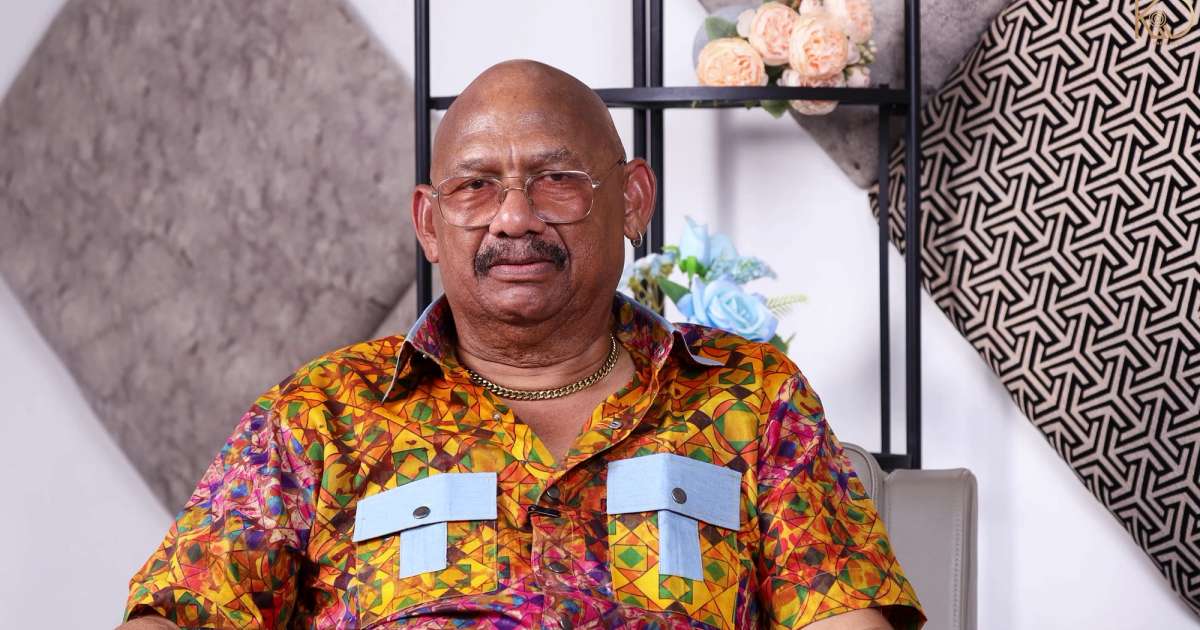
Veteran Ghanaian musician and cultural advocate Ben Brako has argued that Ghana’s modern system of governance remains largely a continuation of the colonial administration, saying it has failed to connect with the country’s traditional communities.
Speaking in an interview with Kafui Dey, Brako said the structure of government inherited after independence was never fundamentally transformed, describing it as a colonial system that continues to separate leaders from the people.
“The whole model of governance is based on a handover from the colonial governance system, which we call aban,” he said.
Brako explained that the traditional meaning of aban goes beyond the modern Akan word for government.
“Aban is a garrison. It’s a wall,” he said. “Traditionally, people understood that they had been imposed upon and cut off from society.”
According to him, colonial rule created a government that existed behind a figurative wall, detached from the communities it governed.
“They were behind a wall, and they’re just being used,” he said.
Brako contrasted aban with oman, which he described as representing the people and the community.
“Oman is far superior,” he said. “It is the community, the country—something you cherish with your whole heart and with your life.”
He argued that Ghana’s current governance structure continues to reflect colonial thinking rather than indigenous leadership traditions.
“Government, as it is today, is an usurpation of the legitimate rights and leadership of our communities,” he said. “They were just catapulted there to continue the colonial era.”
Brako added that many African leaders simply inherited colonial institutions, offices and privileges while maintaining the same system established by colonial rulers.
“They trained a lot of us to step into the bungalows, step into the big offices, the cars, and continue the same work the whites were doing,” he said.
More Stories


