Every October, pink takes over.
From corporate offices and shopping malls to television screens and social media pages, organisations, celebrities and individuals join the global campaign to raise awareness about breast cancer.
But for Dorothy Amuah, the conversation should not end when the pink decorations come down.
Having survived stage three breast cancer, the Ghanaian entrepreneur and breast cancer advocate believes awareness must go beyond the annual October campaigns to become a year-round commitment to screening, early detection, treatment and patient support.
“Breast cancer is not an October disease,” she insists.
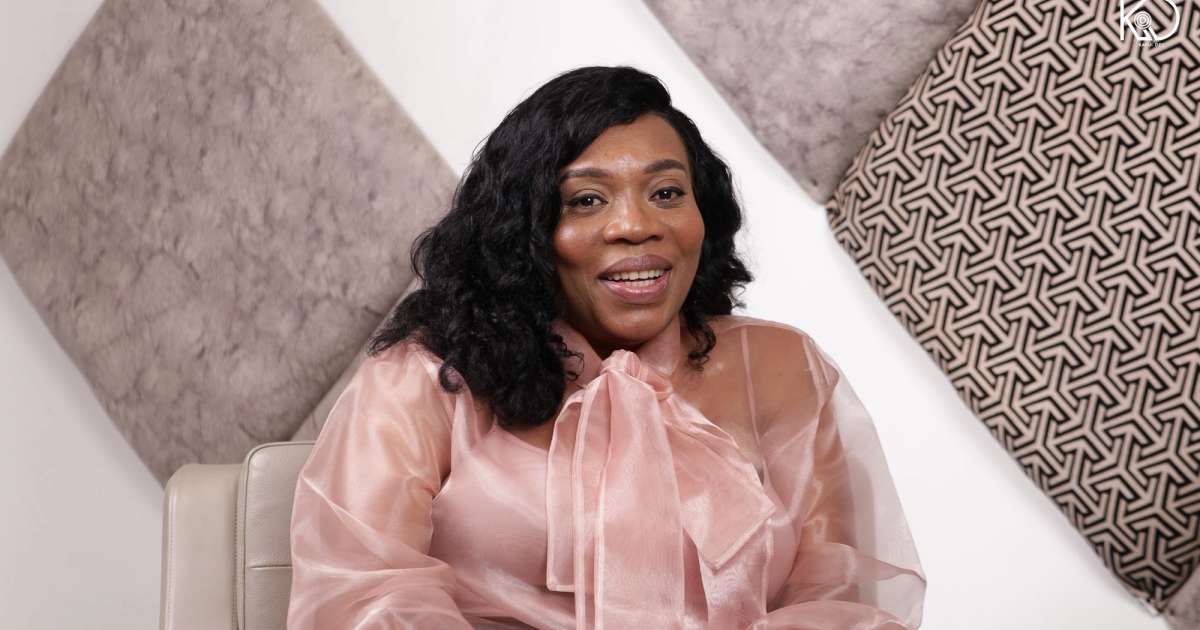
Speaking in an interview with broadcaster Kafui Dey, Madam Amuah acknowledged the importance of Pink October and the growing participation of corporate organisations in breast cancer awareness activities.
However, she believes the attention generated during the month must translate into sustained action throughout the year.
“I didn’t get breast cancer in October,” she said. “You can be diagnosed at any time of the year.”
Beyond the pink ribbons
Madam Amuah argues that breast cancer awareness should not be limited to wearing pink, organizing campaigns or encouraging women to get screened.
While screening and early diagnosis are important, she believes the next question should be what happens after a woman receives a diagnosis.
“We need to continue the conversation. We need to keep investing,” she said.
She raised concerns about patient navigation.the support that helps patients understand where to go, what treatment they need and how to move through the different stages of their care.
“Where’s the patient navigation?” she asked.
According to her, women who are diagnosed need more than information about the disease. They need guidance on accessing treatment and support to understand the options available to them.
Amuah also highlighted the financial burden of cancer treatment, noting that many women cannot afford the care they need.
“It doesn’t just stop at screening and creating awareness,” she said. “A lot of these women cannot afford the treatment, so there have to be solutions to it.”
She believes collaboration between government, non-governmental organisations and other stakeholders is essential to addressing these gaps.
Making screening accessible
Another issue she wants addressed is the cost of breast cancer screening.
Amuah believes women should have access to regular mammograms without financial barriers preventing them from getting checked.
She argued that government should consider making mammograms free, particularly to ensure that women from low-income backgrounds are not excluded from preventive healthcare.
“Poverty should not be a barrier,” she said.
She also emphasised the importance of women becoming familiar with their bodies and paying attention to changes that may require medical attention.
For madam Amuah, breast health education should begin at home.
She advocates monthly breast self-examinations and encourages women to seek professional medical advice if they notice anything unusual.
She has also taken the message into her own family, revealing that she sat her daughters down and taught them how to perform self-breast examinations.
“I realized that I’ve been talking about saving lives and teaching everybody else, but not my own children,” she said.
She told them not to take the disease lightly because, although she hopes it never affects another member of the family, the possibility exists.
A survivor’s call for sustained action
Amuah’s advocacy is informed by her own experience with breast cancer and the work she has undertaken through Dorothy’s Hope Foundation.
She believes Ghana has capable medical professionals but must continue investing in the infrastructure and resources required to improve cancer care.
Her appeal, therefore, goes beyond asking people to wear pink for one month.
It is a call for a healthcare response that continues long after the awareness campaigns have ended.
As October draws attention to breast cancer, madam Amuah wants the message to remain clear throughout November, December and every month that follows.
Because, as she puts it, breast cancer does not wait for October.